
Kandy isn’t just another destination on Sri Lanka’s map—it’s the soul of the island’s spiritual and cultural heritage. Nestled in the misty hills of the Central Highlands at 500 meters above sea level, this ancient kingdom welcomes over a million visitors annually, yet still manages to feel intimate and enchanting. Before you pack your bags, here’s everything you need to know.
The Essentials: Location & When to Go
Kandy sits three hours by road or train from Colombo, making it the perfect second stop on any Sri Lankan itinerary. The best time to visit is December to March when the weather is dry and clear. However, Kandy has a temperate climate year-round—expect cool, misty mornings and afternoons around 20-25°C (68-77°F). Bring a light jacket and rain jacket, as afternoon showers are common even in the dry season.
The Temple of the Tooth Relic: The Spiritual Center
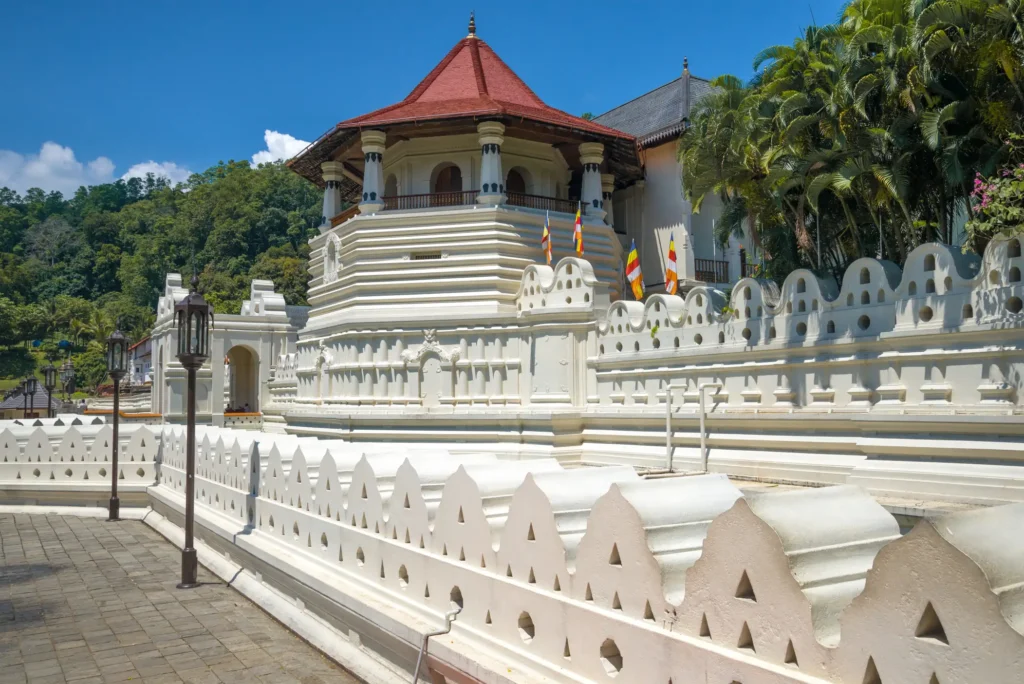
The Sri Dalada Maligawa (Temple of the Tooth Relic) is Kandy’s beating heart. This UNESCO World Heritage site houses what Buddhists believe to be a tooth relic of Buddha himself. Walking through the entrance, you’ll immediately sense the spiritual weight of the place—incense smoke curls through ornate corridors, devotees in white clothing kneel in prayer, and the air hums with ancient reverence.
What to expect: Dress respectfully (covered shoulders and knees). Remove your shoes before entering the inner sanctum. Photography is restricted in certain areas. The temple complex has five floors, and the main relic chamber is on the top level. Attend an evening puja (prayer ceremony) around 5 PM for an unforgettable experience of synchronized chanting and ritual.
The City Itself: A Living Museum
Beyond the temple, Kandy city wraps around an artificial lake created in 1807. The lakeside promenade is perfect for evening walks, offering views of the misty hills beyond. The town itself is charmingly chaotic—tuk-tuks weave through narrow streets, spice shops emit intoxicating aromas, and locals greet you with genuine warmth.
Key neighborhoods: Peradeniya Road hosts upscale restaurants and guesthouses. The Old City, near the temple, thrums with energy and authenticity. Lakeside areas are calmer and offer better views for sunset watching.
Peradeniya Botanical Gardens: Green Serenity
Just outside Kandy (30 minutes by tuk-tuk) lies one of Asia’s finest botanical gardens. Spread across 60 hectares, these gardens feature over 5,000 plant species, ancient trees, orchid houses, and manicured lawns. It’s a peaceful escape from the temple crowds and perfect for a half-day excursion.
Pro tip: Hire a guide (Rs. 500-800) for expert knowledge about plants and local ecology. The avocado trees and spice section are particularly fascinating.
Cultural Experiences Beyond the Temple
Kandyan Dance: Witness the traditional Kandyan dance performances at cultural centers like Kandyan Culture Centre. These high-energy dances tell stories of ancient warriors and fertility rituals through acrobatic movements and thunderous drumming.
Spice Gardens: Visit working spice gardens where guides show you how cinnamon, cardamom, cloves, and turmeric are grown and harvested. Most include a tea ceremony and spice-based massage demonstration.
Arts and Crafts: Kandy is famous for traditional wood carving, batik, and mask-making. Visit workshops to watch artisans at work, or browse the Central Market for authentic souvenirs.
Practical Information
Getting There: Train from Colombo is scenic but slow (4-5 hours). Buses are faster (3 hours) but cramped. Hire a private driver for comfort (Rs. 5,000-8,000 for the day).
Where to Stay: Budget options cluster near the lake. Mid-range guesthouses offer good value (Rs. 3,000-6,000 per night). High-end hotels provide colonial charm and mountain views.
Food: Sample kottu roti (shredded flatbread curry), lamprais (rice-filled pastry), and hoppers (cup-shaped pancakes). Don’t miss the fresh hill-country fruit—mangoes in season are extraordinary.
Money: There are ATMs throughout the city. USD and Euros are accepted at hotels and tourist restaurants, but local Sri Lankan Rupees are better for markets and street food.
Health: Water is generally safe, but stick to bottled water to be safe. Pharmacies are abundant. Bring sunscreen and insect repellent.
The Kandy Esala Perahera: The Festival of Fire and Light
If your visit aligns with August’s Esala Perahera, you’re in for the experience of a lifetime. This 10-day festival features a nighttime parade of 100+ decorated elephants, thousands of dancers in traditional dress, fire-breathers, and mesmerizing rhythms that shake the earth. Book accommodation months in advance if planning to attend.
What to Pack
- Light, breathable clothing (cotton is best)
- Rain jacket and umbrella
- Comfortable walking shoes
- Slip-on shoes (for temple visits)
- Sarong or lightweight scarf for temple coverage
- Sunscreen and sunglasses
- Insect repellent
- A lightweight sweater for cool evenings
- Swimwear (for nearby waterfalls and nature walks)
Final Thoughts
Kandy rewards the curious traveler. Yes, it’s touristy, but the authenticity still shines through. Skip the tourist traps, hire local guides, eat where locals eat, and take time to simply sit by the lake and absorb the atmosphere. The city’s magic lies not in rushing between attractions but in understanding why millions have made spiritual pilgrimages here for over a thousand years.
Kandy isn’t just a destination it’s a transformation waiting to happen.